The food buyer’s commercial decision
For private-label, retail and foodservice buyers, mycotoxin control is a supply-chain problem is not only a technical question. It can affect market access, shelf-life integrity, claim accuracy, recall readiness and repeat supply. The useful decision is whether the proposed product, supplier and evidence route is strong enough for the intended market and channel—not whether another document can be added to the file.
Gnik’s role in execution
Gnik can translate the buyer’s product and market requirements into a controlled supplier brief, coordinate the required evidence and expose unresolved decisions before sampling or order commitment. Regulatory acceptance, laboratory interpretation and formal legal decisions remain with the responsible qualified parties.
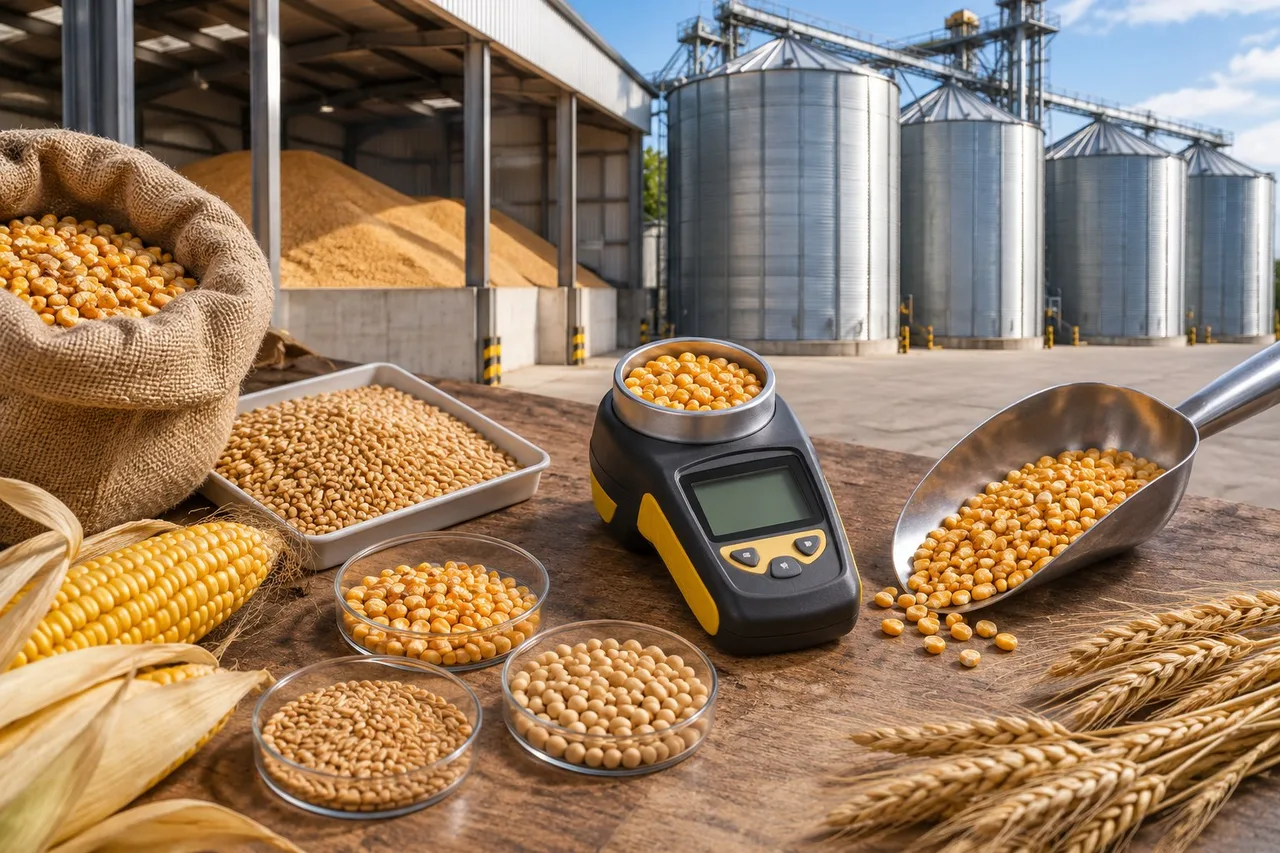
For procurement teams researching mycotoxin control food supply chain, the central issue is not a document or test in isolation. It is whether the commercial decision is supported by product-specific, market-specific and lot-specific evidence. Mycotoxins can develop before harvest, during drying or in storage, and their distribution within a lot can be highly uneven. A strong programme begins with crop and climate risk, rapid drying, moisture control, segregation and storage hygiene. Sampling and analysis then verify the system. Testing a small convenience sample after a container is packed is a weak substitute for prevention and representative lot control.
Why this decision matters
Chemical, microbiological, physical and authenticity risks are rarely uniform across ingredients, origins, seasons or lots. Final-product testing is only one control. Strong programmes combine intelligence, preventive measures, representative sampling, suitable methods and pre-agreed disposition rules.
Strong review should reduce paperwork, not multiply it. The team needs a controlled record that connects product facts to the applicable decision, identifies the evidence owner and makes unresolved uncertainty visible before approval.
A workable control sequence
1. Segment risk by crop and origin
Consider toxin-crop associations, harvest conditions, season, storage duration, supplier history and destination limits.
2. Control lot formation and sampling
Define lot size, sublots, incremental samples, aggregate preparation and laboratory portion before material is blended or dispatched.
3. Match method and sample to the decision
Specify analyte, matrix, method performance, reporting limit, accreditation scope and a sampling design capable of representing the lot.
4. Set disposition rules before results arrive
Define release, hold, investigation, rejection and retest rules so commercial pressure does not rewrite the standard after a failure.
What a defensible evidence pack contains
Evidence should be current, attributable and connected to the exact commercial product. The following records are normally more useful than a general assurance statement:
- Moisture, drying, storage and pest-control records connected to crop and lot identity.
- Representative sampling and analytical records with destination-specific acceptance limits.
- A written sampling plan with lot definition, sample increments, sealing and chain of custody.
- Trend data connecting supplier performance, alerts, laboratory results and corrective actions.
Where programmes usually fail
- Blending high and low results to make a lot appear acceptable where such practice is prohibited or unsafe.
- Sampling only the top of bags or the easiest accessible point in a heterogeneous lot.
- Testing only a convenient finished-product sample while ignoring field, storage and lot heterogeneity.
The recurring weakness is not always technical ignorance. It is the absence of a stop point when evidence is incomplete. Once artwork, production or freight is committed, teams begin negotiating with the standard instead of applying it.
A short procurement scenario
Consider a buyer preparing a private-label launch who receives a confident supplier assurance but later discovers this weakness: blending high and low results to make a lot appear acceptable where such practice is prohibited or unsafe. At that point the choice is no longer simply pass or fail. Packaging, production slots, freight and launch commitments may already be exposed. A stronger sequence would have made the issue a pre-approval question and required moisture, drying, storage and pest-control records connected to crop and lot identity.
The buyer should pause the affected decision, preserve the exact product and lot identity, and apply the first control question: segment risk by crop and origin. If the evidence supports approval, the reasoning and boundaries should be recorded. If it does not, the team can reformulate, change the source, increase verification or revise the launch plan while alternatives still exist. This is not bureaucracy; it is the commercial value of making uncertainty visible early.
Signals to monitor after approval
Approval should begin a monitored operating period, not end the technical discussion. Useful indicators include:
- Sampling, custody or laboratory-report nonconformities.
- Repeat corrective actions for the same hazard pathway.
- Supplier performance before and after verification changes.
A better implementation sequence
1. Specify representative sampling and a decision-fit analytical method.
Resolve any exception while alternatives still exist, before production or booking removes flexibility.
2. Apply pre-approved release and escalation rules without commercial override.
Use accumulated evidence to adjust verification depth and record why the control became stronger or lighter.
3. Trend results and alerts to adjust supplier and lot verification depth.
Close this stage with one controlled statement of scope so buyer, supplier and reviewer are working from the same facts.
What this means for buyers and suppliers
For buyers, the benefit is fewer hidden assumptions inside the purchase decision. Cost, lead time and approval status can be discussed together, and exceptions are visible before they become claims, holds or forced concessions.
For suppliers, clarity prevents repeated and contradictory requests. A well-indexed technical file allows the commercial team to answer accurately while protecting confidential details through controlled disclosure.
Key takeaway
Good governance does not seek a perfect supplier file; it seeks a defensible decision. Scope the question accurately, close material gaps before commitment and record the limits of the approval.
How Gnik can move this decision forward
Practical next step: send Gnik a product specification, ingredient list and intended destination markets. Gnik can help turn it into a supplier-evidence and market-readiness action list before quotation, sampling, order placement or shipment release, as applicable.