Listen
Understand the craft, people, origin and present reality.
Artisans & Specialist Makers
Gnik welcomes artisans, workshops, collectives, cooperatives, craft clusters and specialist makers to present authentic capability, realistic capacity and the support needed to reach suitable markets.
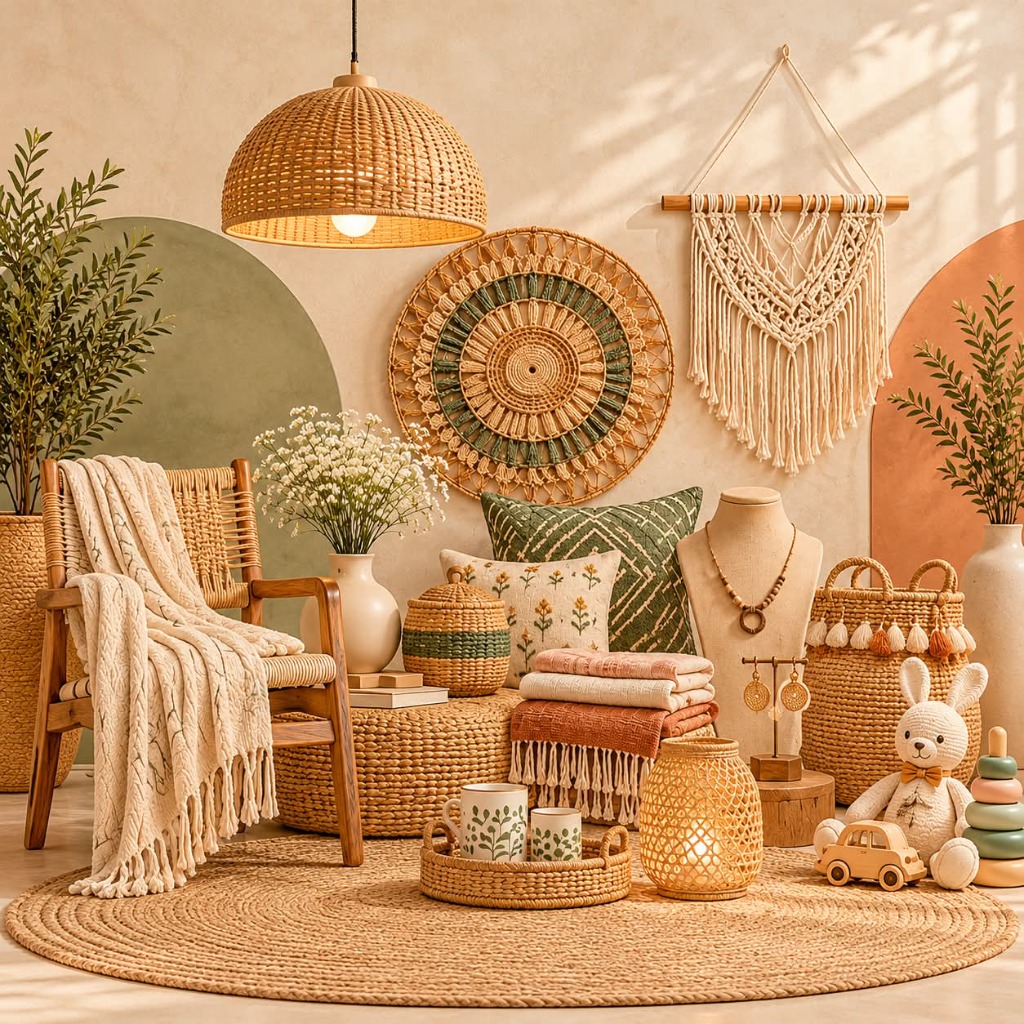
Who can participate
At first contact, Gnik seeks to understand the craft, maker structure, region, materials, realistic capacity and support required. The first assessment begins with the integrity of the work and the people behind it.
Artisans & craft heritage
Follow how traditional craft techniques, master makers, and cooperatives are documented, supported with technical packaging and compliance, and presented respectfully to global markets.
How the relationship can move
Product adaptation should respect maker knowledge and practical production methods.
Understand the craft, people, origin and present reality.
Record technique, materials, authorship and natural variation.
Develop relevant products without designing the identity away.
Align capacity, costing, consistency, safety, testing and packaging.
Make the product and its value intelligible to suitable global buyers.
Keep attribution, fair terms, feedback and continuity visible.
Commercial boundaries
Introduction and review do not guarantee business, representation or exclusivity.
Origin, authorship, imagery and attribution are discussed rather than casually erased.
Functional requirements are controlled while legitimate hand variation is explained.
Capacity, timing and cost must respect the actual making process and people involved.
A better first conversation
Short selections do most of the work. Your information is used only to review, route and respond to this enquiry.