Signal study
Consumer, culture, material and market change
→Trend Directions
These studies turn colour, form, material and cultural signals into practical starting points for buyers, designers, universities and suppliers. Inspiration is only the first step; commercial translation is the work.
A trend direction helps structure development. It does not guarantee demand. Market, buyer, price, rights, compliance, capacity and sustainability questions still require evidence.
Four product territories
Calm and energy, refinement and expression, material honesty and technological play can coexist across a range. The role of each direction must be explicit.
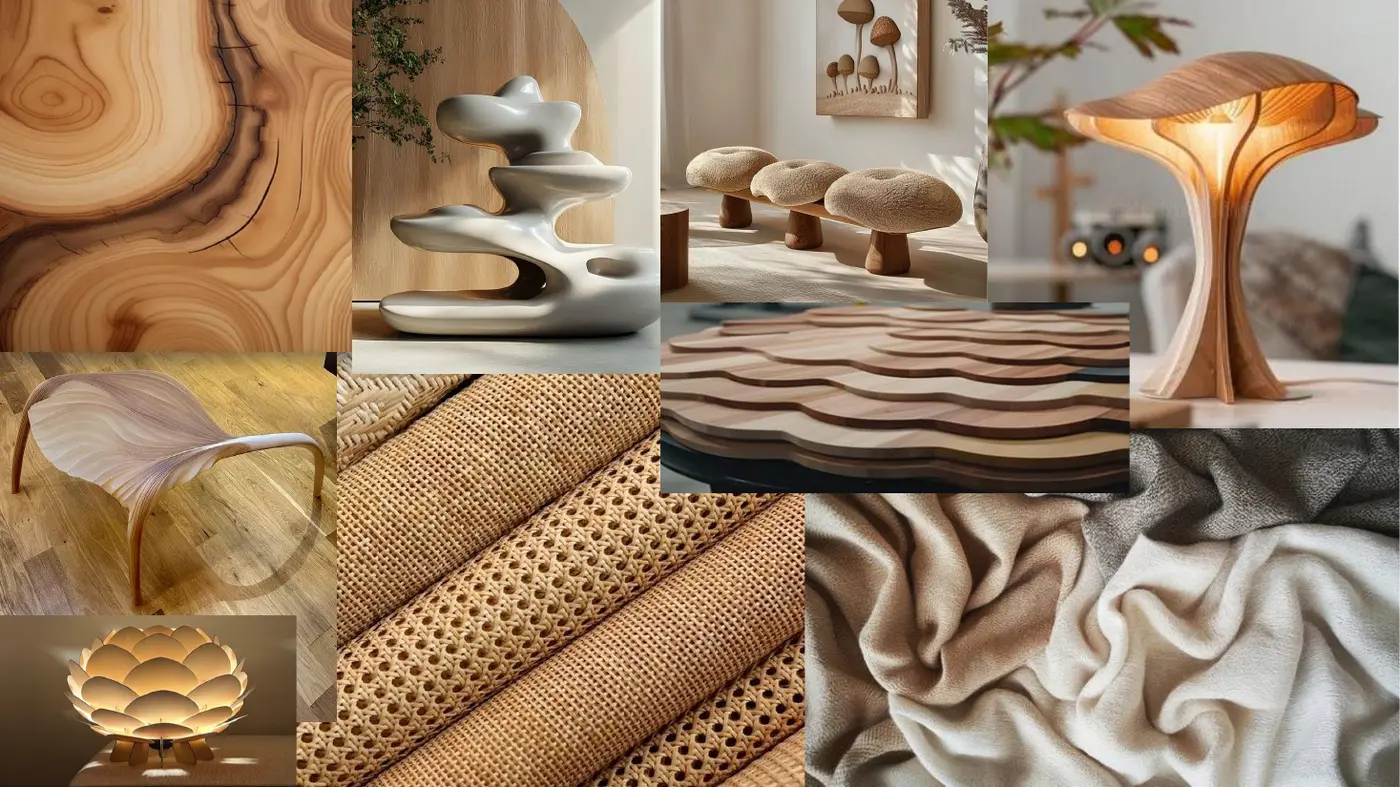
Trend direction
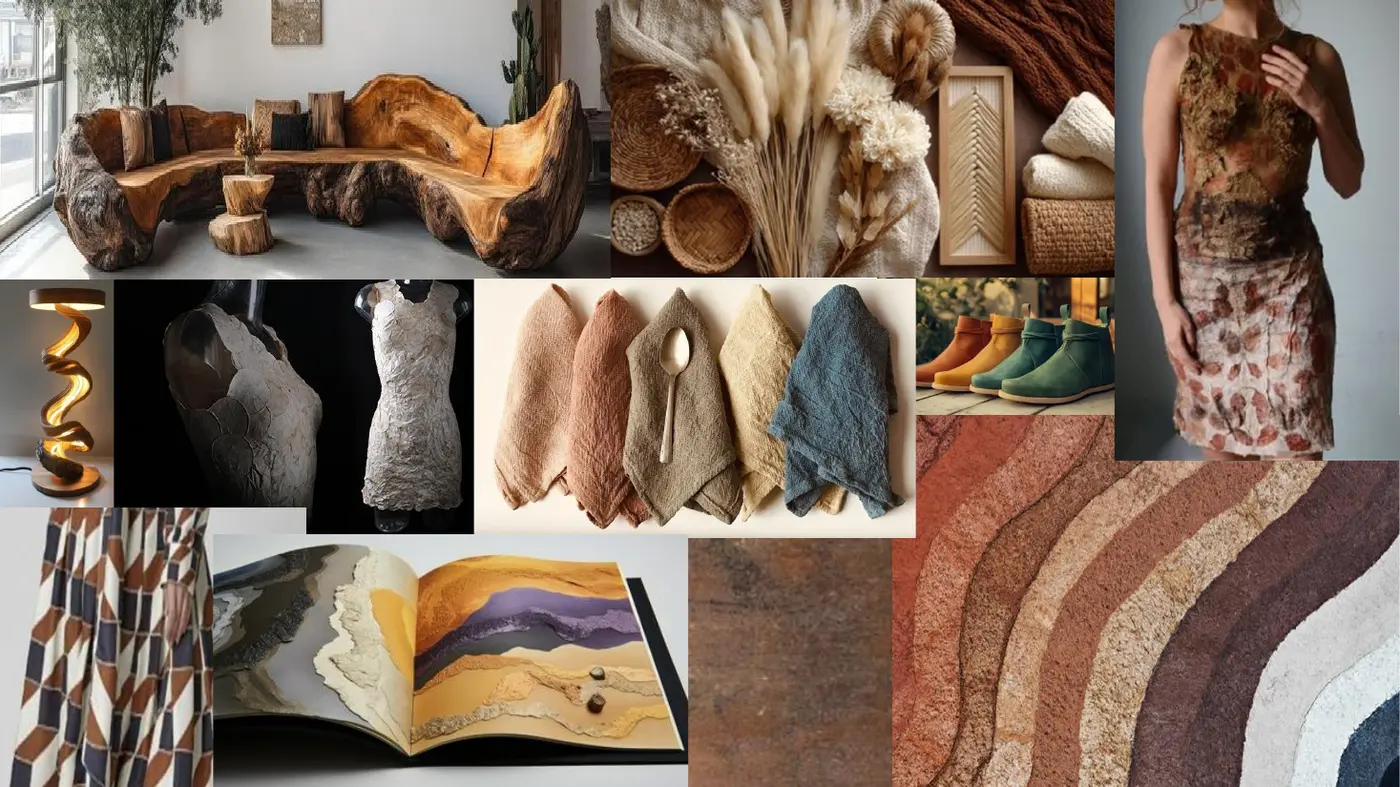
Trend direction

Trend direction

Trend direction
Trend-to-range system
The loop joins research, creative interpretation, supplier reality, buyer decisions and performance learning.
Consumer, culture, material and market change
→A usable mood, palette and design language
→Designers and universities build product meaning
→Suppliers test material, construction, cost and capacity
→Buyers assign product role, price and campaign context
→Feedback, performance and next-season correction
Feedback returns to the next study, design brief and supplier development decision.
Use the study differently
Define customer, category, price position, channel, launch timing and the reason this direction belongs in the range.
Build a range brief →Convert the signal into an original product proposition with material, function, construction and user logic.
See the designer route →Use research, critique and feasibility to make the creative reasoning as visible as the visual outcome.
Explore academic collaboration →Show relevant material capability, production constraints, commercial assumptions and where development is genuinely needed.
See the supplier route →Publication discipline
Future Forward is the public direction name; its supplied study is titled Futuristic Edge.
Online swatches are screen references only—not substitutes for physical standards, lab dips or buyer approval.
2028 is treated as a working horizon, not a guaranteed market forecast.
Reference-image, cultural, colour-standard and contributor rights require confirmation before open public reuse.