What it may be made from
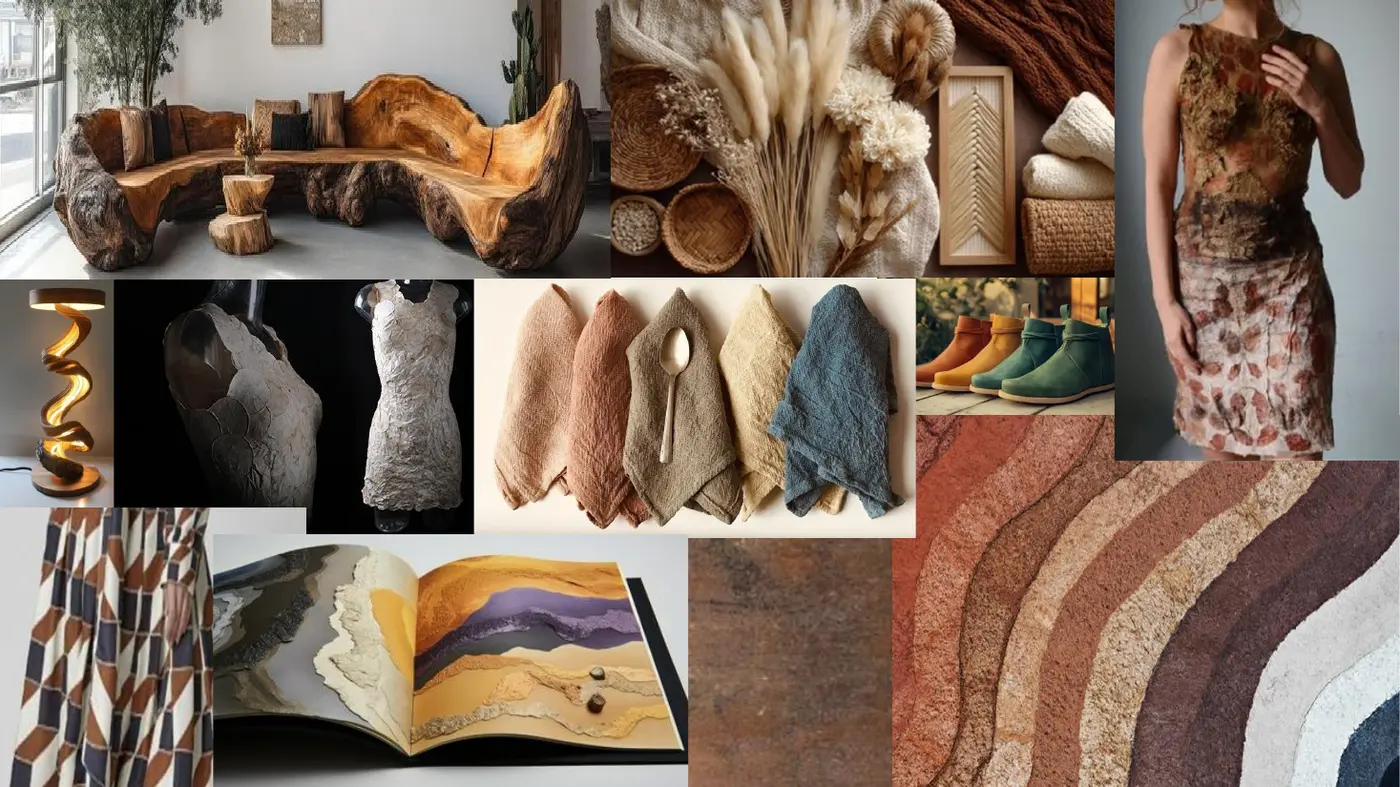
- Khadi, linen, batik and dense woven structures
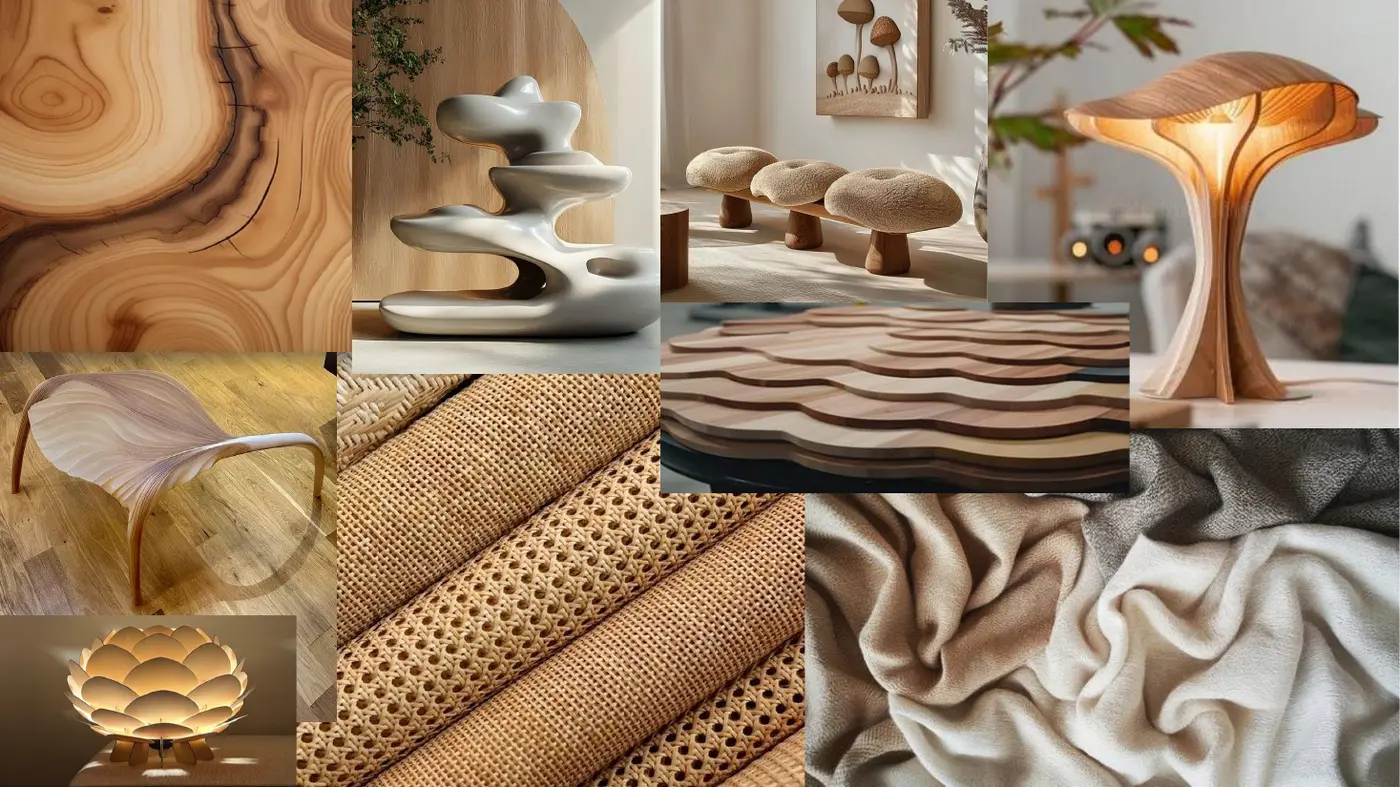
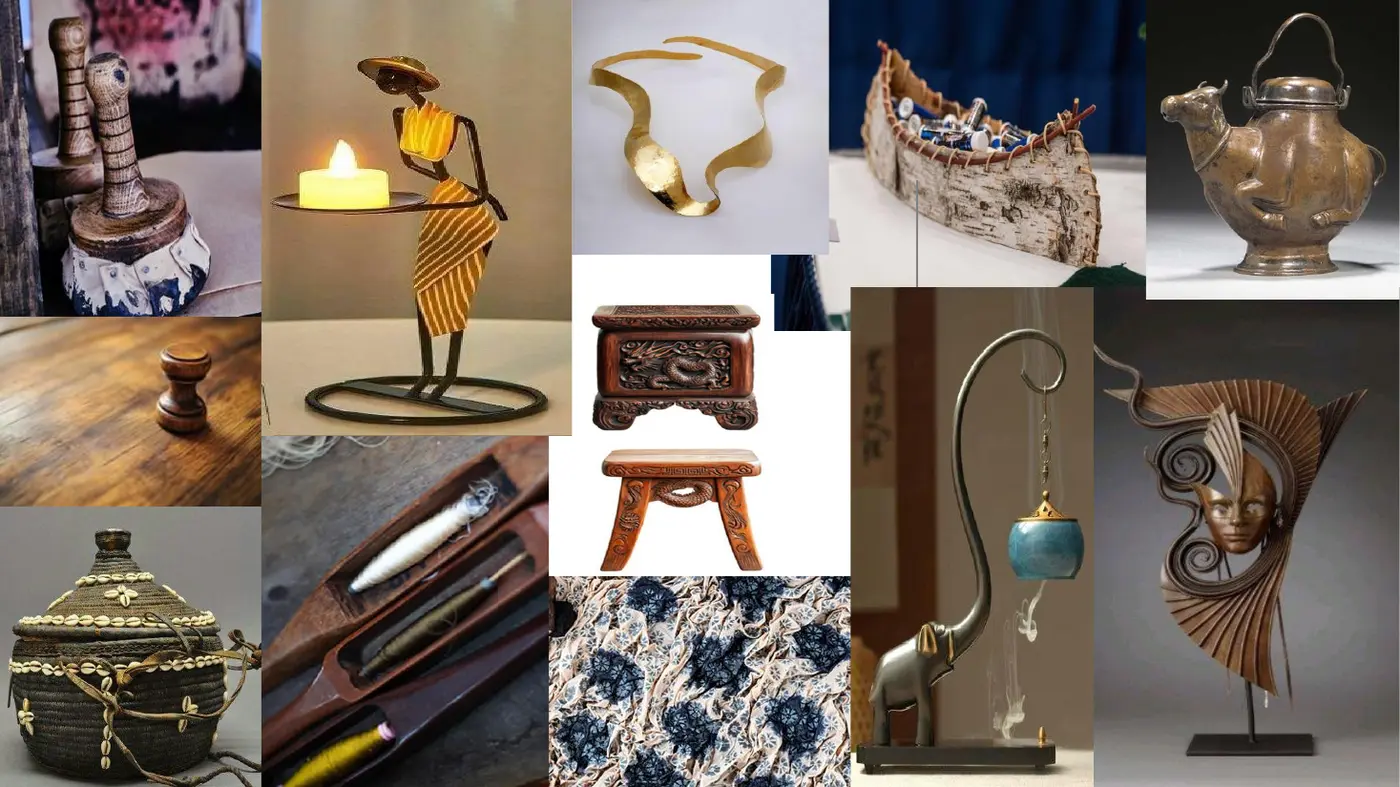
- Carved timber, worked metal and hand-finished stone
- Seed beads, tassels, appliqué and embroidery
- Natural dyes, burnished finishes and visible hand process
Trend direction · working horizon 2028
A craft-rich direction that brings ancestral symbols, woven structure, carved material and expressive colour into contemporary products without flattening provenance.

Direction thesis
Commercial question: What must be documented about origin, maker reward, natural variation, capacity and permissible use of motifs?
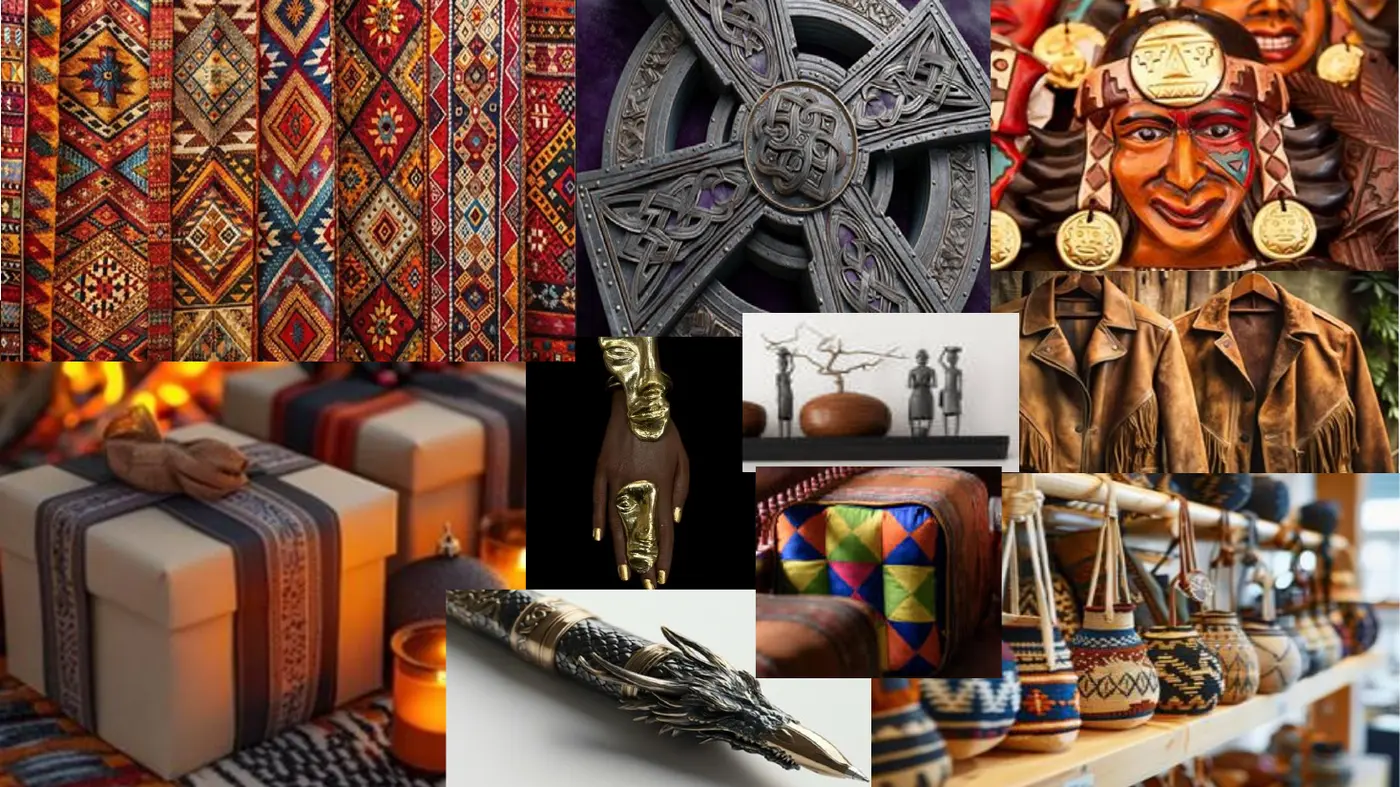
Design language
These cues are prompts, not a checklist. A coherent product may use only one or two—provided the reason is clear.
Digital colour direction
These screen swatches interpret the supplied study for the web. Final product colour must be agreed through the buyer’s required physical standard, substrate, finish, lab dip or approved master.
Commercial translation
Relevance depends on buyer model, end customer, target cost, timing and category. The direction should support a product decision—not dominate it.
Loomed structure, dense pattern, borders and natural-dye stories.
Carved, worked and hand-finished pieces with named provenance.
Embroidery, beadwork, appliqué and layered craft detail.
Heirloom cues, carved elements and strong circular or stacked forms.
Maker-led objects whose story, technique and credit travel with them.
Direction guardrail
Avoid anonymous ‘tribal’ styling, cultural extraction and invented provenance. Technique, community, rights, credit and reward require explicit treatment.
Put the direction to work
Customer, category, price, channel, timing and success measure.
Start a range brief →DesignerOriginal concept, user, material, function and construction logic.
Join the design programme →University / design schoolResearch, creative reasoning, critique and explicit rights boundaries.
Propose collaboration →Supplier / artisanMaterials, construction, cost, capacity, limits and development needs.
Introduce capability →Supplied source study
The attached six-page study is preserved here as the source for this web interpretation. Before the website becomes openly public, Gnik should confirm rights for every reference image, named colour standard and external contribution within the PDF.
Compare the other directions